EN
EN

Fruit fillings for cakes and pastries are mainly divided into four categories: bake-stable fruit fillings, whole-fruit fillings, chopped fruit fillings, and smooth fruit fillings. Each type is designed for different bakery applications, processing conditions, and consumer expectations. Choosing the right fruit filling for pastry products depends on factors such as baking temperature, shelf life requirements, texture preference, and production efficiency.
For industrial bakeries, the filling is not only an ingredient but also a functional component that determines product appearance, stability, flavor release, and customer acceptance.
Fruit fillings for cakes and pastries can be classified by fruit structure and processing performance:
Bake-stable fruit fillings – formulated to withstand high baking temperatures while maintaining flavor, color, and texture.
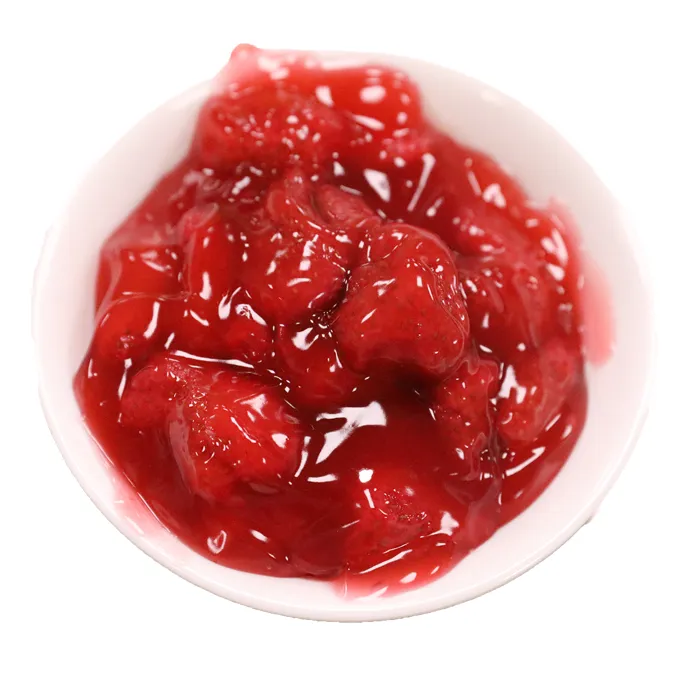
Whole-fruit fillings – contain visible fruit pieces or whole fruit for a premium homemade appearance.
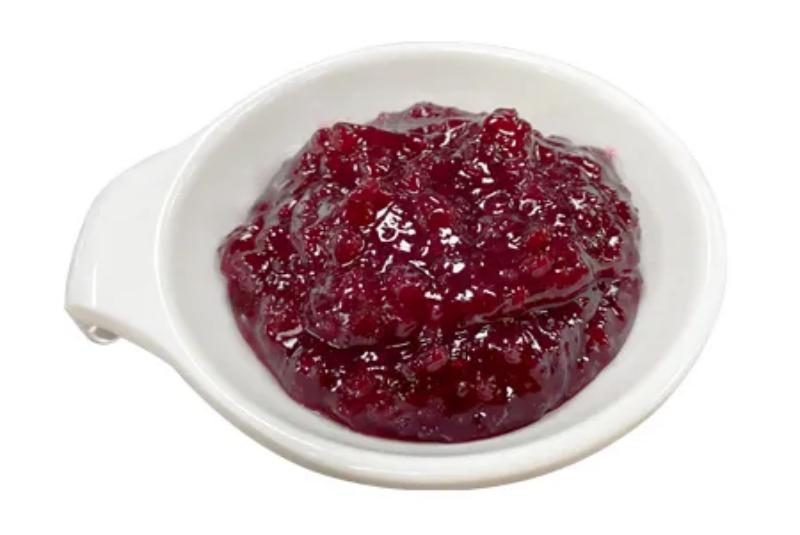
Chopped fruit fillings – feature diced or sliced fruit pieces for balanced texture and easy portion control.
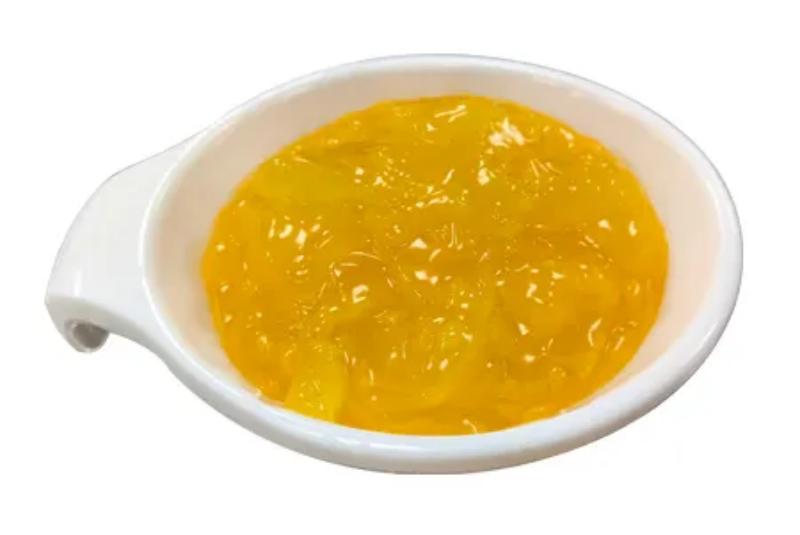
Smooth fruit fillings – processed into a consistent puree-like texture for uniform spreading and clean product presentation.
Each category serves a different bakery need. A premium Danish pastry may require visible fruit pieces, while a high-volume baked turnover may need a filling that remains stable after oven processing.
Bake-stable fruit filling is specifically developed for products that require the filling to go through baking, freezing, transportation, and storage without losing quality.
During baking, ordinary fruit fillings may experience problems such as water separation, excessive spreading, color fading, or texture breakdown. Bake-stable formulations use controlled fruit preparation, viscosity management, and stabilizing technology to maintain the desired consistency.
Fruit pies
Danish pastries
Filled croissants
Turnovers
Muffins
Baked cakes
Cookies with fruit centers
For commercial bakeries, bake stability is especially important because production lines require consistent results across thousands of pieces.
| Performance Factor | Bake-Stable Fruit Filling | Standard Fruit Filling |
|---|---|---|
| Heat resistance | Excellent during oven baking | May soften or separate |
| Texture retention | Maintains viscosity and structure | Can become watery |
| Production efficiency | Suitable for industrial processing | Better for small-batch products |
| Application | Baked pastries and frozen dough products | Fresh desserts and toppings |
| Shelf-life performance | Designed for longer stability | Usually shorter stability |
Whole-fruit filling contains large fruit pieces or carefully preserved fruit sections that create a premium visual and eating experience.
Consumers often associate visible fruit pieces with higher quality because they can see and taste the natural fruit content. This makes whole-fruit fillings popular in premium cakes, layered desserts, and specialty pastries.
Typical examples include:
Strawberry filling with fruit chunks
Cherry filling with whole cherries
Blueberry filling with intact berries
Peach filling with fruit slices
Whole-fruit fillings work especially well when appearance is a major selling point.
However, manufacturers should consider handling requirements. Larger fruit pieces may affect pumping, depositing, and automated filling processes. The fruit size must match the production equipment.
Chopped fruit filling provides a balance between fruit visibility and processing convenience. Fruit pieces are cut into controlled sizes, allowing bakeries to achieve consistent distribution throughout each product.
This type of filling is widely used because it offers:
Better portion control
Consistent texture
Easier machine processing
Strong fruit perception
Good cost management
Chopped fruit fillings are commonly found in:
Fruit buns
Sweet rolls
Layer cakes
Pastry pockets
Breakfast bakery items
For manufacturers producing large quantities, controlled fruit particle size helps reduce production variation and improves finished product consistency.
Smooth fruit filling is made by processing fruit into a uniform texture without noticeable fruit pieces. It provides excellent spreadability and a clean appearance.
Smooth fillings are ideal when manufacturers need:
Even filling distribution
Easy machine depositing
Smooth cake layers
Consistent mouthfeel
Common applications include:
Sponge cakes
Swiss rolls
Sandwich cookies
Cream cakes
Dessert layers
Because smooth fillings have fewer visible fruit pieces, they are often combined with other ingredients such as cream, chocolate, or mousse to create balanced dessert textures.
The best fruit filling for cakes depends on the cake type and production requirements.
For layered cakes, smooth or chopped fruit fillings are usually preferred because they spread evenly and create stable layers.
For premium celebration cakes, whole-fruit fillings provide a more attractive appearance.
For frozen cakes or cakes requiring transportation, manufacturers often choose fillings with controlled viscosity and strong stability.
| Cake Application | Recommended Filling Type | Reason |
|---|---|---|
| Layer cakes | Smooth fruit filling | Easy spreading and clean layers |
| Premium fruit cakes | Whole-fruit filling | Visible fruit appearance |
| Frozen cakes | Bake-stable filling | Better freezing and thawing performance |
| Roll cakes | Smooth filling | Prevents uneven distribution |
| Industrial cake production | Chopped or smooth filling | Better automation compatibility |
Fruit fillings for pastries must meet stricter technical requirements because pastries often experience baking, freezing, and mechanical handling.
A suitable fruit filling for pastry products should provide:
Strong heat resistance
Controlled flow properties
Good fruit flavor retention
Compatibility with dough systems
Stable appearance after baking
For baked pastries such as Danish pastries and turnovers, bake-stable fruit fillings are generally preferred.
For fresh pastries displayed in bakeries, whole-fruit or chopped fillings may create stronger consumer appeal.
Selecting a fruit filling requires evaluating more than flavor. Bakery manufacturers should consider the complete production process.
✓ Application suitability
Is the filling intended for baking, injection, layering, or topping?
✓ Temperature performance
Can it withstand baking, freezing, and storage conditions?
✓ Texture requirement
Do you need whole fruit pieces, chopped fruit, or a smooth texture?
✓ Processing compatibility
Is the viscosity suitable for pumps, depositors, and automated filling equipment?
✓ Shelf-life requirements
Does the filling maintain quality throughout distribution?
✓ Customization options
Can fruit varieties, sweetness levels, and textures be adjusted?
✓ Quality consistency
Does the supplier provide stable raw material sourcing and production control?
For large-scale bakery operations, a reliable fruit filling supplier should provide both product consistency and technical support during application testing.
Fruit filling quality directly influences:
Consumers judge bakery products visually. Stable color and attractive fruit distribution improve purchase appeal.
The filling should complement the bakery structure. Excess moisture can weaken dough or cake layers.
High-quality fruit fillings preserve natural fruit characteristics while maintaining balanced sweetness and acidity.
A filling with the correct viscosity reduces equipment problems and improves production speed.
Professional buyers usually evaluate:
Fruit content percentage
Fruit origin and quality
Particle size consistency
Heat stability
Storage conditions
Packaging format
Custom formulation capability
Supplier technical support
A successful bakery product requires a filling that performs consistently from production line testing to final consumer consumption.
Yes. Bake-stable fruit fillings are specifically designed for baked applications and can maintain texture, flavor, and appearance during oven processing.
Fruit filling is usually formulated for bakery applications with controlled viscosity, fruit structure, and stability. Jam is mainly designed as a spread and may not perform well under baking conditions.
Many commercial fruit fillings are designed for frozen bakery products. Performance depends on formulation, storage conditions, and application testing.
Bake-stable fruit fillings are generally the best choice because they resist leakage and maintain texture after baking.
Storage conditions depend on the product formulation. Manufacturers should follow supplier recommendations regarding temperature, packaging, and shelf life.
The ideal fruit filling supplier should understand both fruit processing and bakery manufacturing requirements. Beyond supplying ingredients, an experienced partner helps optimize filling texture, stability, application performance, and production efficiency.
For bakeries developing new cakes, pastries, or frozen bakery products, selecting the correct filling type at the beginning of product development can reduce production issues and improve market success.
The right fruit filling is not simply a flavor component—it is a key technology that determines the quality, consistency, and commercial performance of the final bakery product.
 How to Choose the Right Fruit Filling for Bakery Products: A Complete Guide for Food ManufacturersAugust 18, 2026Choosing the right fruit filling for bakery products requires evaluating more than flavor. Food manufacturers should consider baking stability, viscosity, fruit content, processing compatibility, shel...view
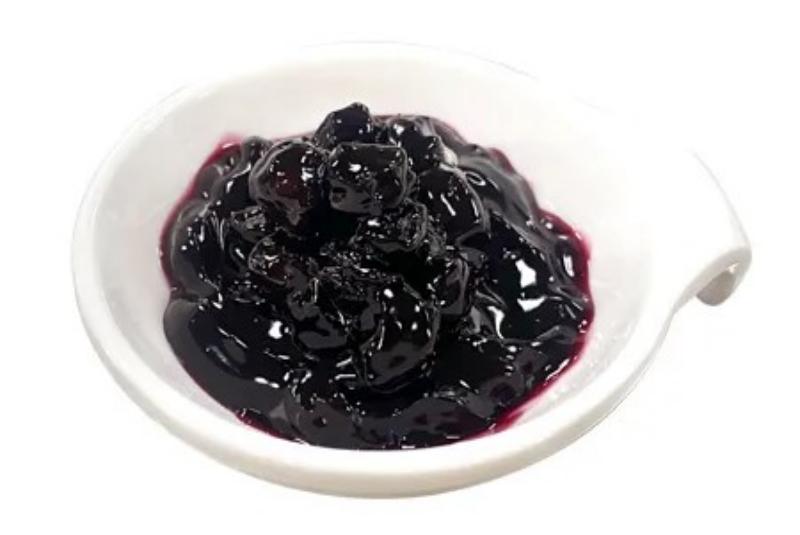 How to Evaluate Bake-Stable Fruit Filling: Temperature, Viscosity and Shape RetentionJuly 31, 2026A high-quality bake-stable fruit filling should maintain its flavor, structure, and appearance throughout the entire baking process. The most important evaluation factors are temperature stability, vi...view
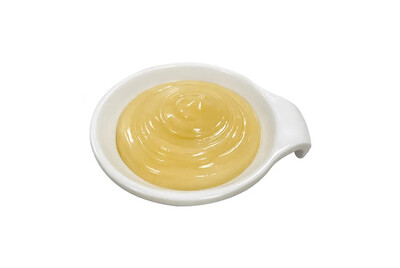 Easy Cream Cheese Filling Recipe for Cakes, Pies and PastriesMay 15, 2026Cream cheese filling is one of the most versatile dessert components in modern baking. Smooth, rich, slightly tangy, and incredibly creamy, it adds depth and texture to cakes, pastries, pies, cupcakes...view
 How to Choose Baking IngredientsMay 15, 2026Choosing the right baking ingredients is one of the most critical decisions for any bakery, food manufacturer, or industrial production line. Whether you are developing cakes, bread, pastries, or froz...view
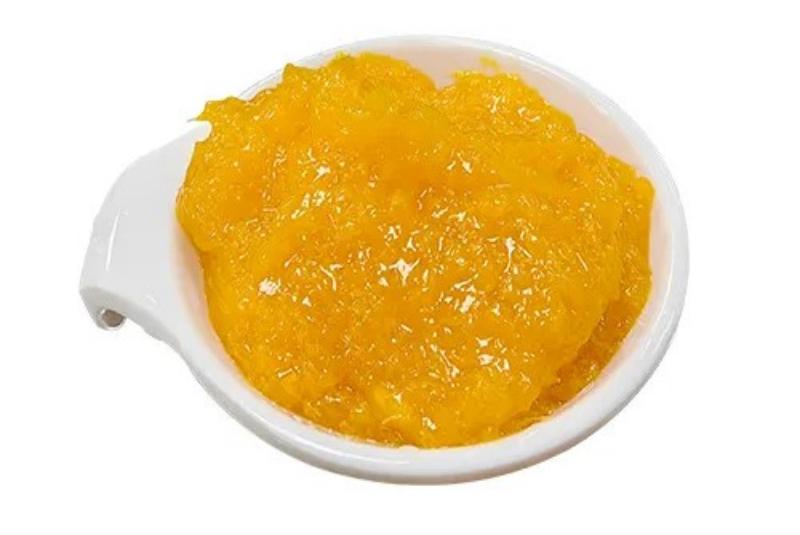 Fruit Filling vs Fruit Puree: Which Format Fits Bakery, Dairy and Beverage Production?July 31, 2026Choosing between fruit fillings and fruit puree depends on the product application, processing requirements, and the desired consumer experience. Fruit fillings are generally the better choice for bak...view
 Understanding Sweet Mayonnaise: Uses, Functions, and Mayonnaise ProductsMay 15, 2026Sweet mayonnaise has become an increasingly popular variation of traditional mayonnaise, especially in global food service, fast food chains, salad dressings, and fusion cuisine. Unlike classic mayonn...view