EN
EN

Salad dressing is more than just a condiment—it is the defining element that transforms a simple bowl of greens into a flavorful, marketable, and memorable dish. In today’s global food industry, the salad dressing plays a key role in restaurant menus, food manufacturing, and private-label development, especially for businesses seeking consistency, taste innovation, and scalability.
For food service brands and wholesalers, working with reliable salad dressing suppliers such as Kingwood Food ensures stable quality, customizable flavor profiles, and commercial-grade production standards suitable for global distribution.
The salad dressing is a liquid or semi-liquid sauce used to enhance salads by adding flavor, texture, and moisture. It typically combines a base (oil, mayonnaise, yogurt, or vinegar), seasoning agents, and flavor enhancers such as herbs, spices, sugar, or mustard.
Modern dressings are no longer limited to salads—they are widely used in sandwiches, marinades, wraps, and fast-food applications. According to industry formulations, many commercial dressings are built on mayo-based or vinaigrette-style systems, allowing flexible flavor development for different cuisines and consumer preferences.
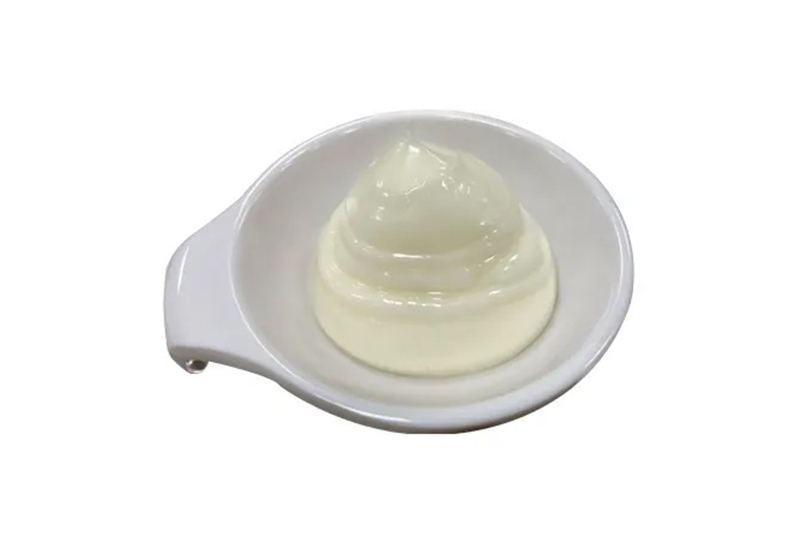
There are many types of dressings used in global food service and manufacturing. The most popular categories include:
Tangy salad dressing is characterized by its sharp, acidic profile, often made with vinegar, lemon juice, mustard, or fermented ingredients. It is commonly used in:
Green salads
Coleslaw
Grilled meat marinades
Its refreshing acidity helps balance fatty or rich foods.
Sweet salad dressing is smooth, mild, and slightly sugary, often made with honey, fruit extracts, or sugar-based emulsions. It pairs well with:
Fruit salads
Chicken salads
Cold pasta salads
Sweet dressings are especially popular in modern fusion menus.
The applications of salad dressing extend far beyond salads. In modern food manufacturing and food service operations, they are used for:
Salad bowls and meal kits
Sandwich and burger sauces
Marinades for meat and seafood
Dip sauces for appetizers
Ready-to-eat packaged meals
Catering and institutional food programs
Because of this versatility, demand for delicious salad dressing continues to grow in retail and B2B sectors.
High-quality salad dressing depends on carefully balanced ingredients that ensure flavor stability, shelf life, and emulsification.
Vegetable oil or avocado oil base
Vinegar or citrus acids
Egg yolk or plant-based emulsifiers
Sugar, honey, or sweeteners
Salt and spice blends
Mustard, garlic, or herb extracts
In industrial production systems like those used by Kingwood Food, formulations are designed for:
Consistent viscosity
Long shelf stability
Flavor scalability for bulk production
This ensures that every batch delivers the same taste experience across international markets.
Choosing the right dressing is essential for food businesses, restaurants, and private-label brands.
Health-focused customers prefer vinaigrettes
Fast-food consumers prefer creamy or sweet dressings
Gourmet markets prefer tangy or herb-infused blends
The dressing must complement the core ingredients of your dishes without overpowering them.
Industrial buyers should prioritize products with strong preservation systems and consistent emulsification.
Working with experienced salad dressing suppliers like Kingwood Food allows brands to:
Create signature flavors
Adjust sweetness or acidity
Develop private-label products
Bulk production capability is critical for restaurants and food distributors.
As a professional food manufacturer, Kingwood Food specializes in producing high-quality salad dressing bases designed for food service, retail, and industrial applications.
Their product line includes versatile mayo-based and emulsified dressings that can be adapted into:
Creamy dressings
Tangy vinaigrettes
Sweet salad dressing formulations
Custom flavor systems for private label brands
This flexibility makes Kingwood Food a preferred partner for global salad dressing suppliers seeking consistency and scalability.
Tangy salad dressing has a sharp acidic taste from vinegar or citrus, while sweet salad dressing uses sugar, honey, or fruit-based sweetness to create a mild flavor profile.
Most dressings are based on oil, mayonnaise, yogurt, or vinegar, depending on the type of flavor and texture required.
Restaurants, fast food chains, catering companies, and packaged food manufacturers are the primary users.
The salad dressing is a foundational component of modern cuisine and food manufacturing. From tangy salad dressing to sweet salad dressing, its versatility makes it essential across global menus. For businesses seeking scalable, consistent, and customizable solutions, partnering with professional salad dressing suppliers like Kingwood Food ensures both quality and innovation.
As consumer demand continues to grow, the future of delicious salad dressing lies in clean-label ingredients, global flavor inspiration, and flexible production systems designed for both retail and food service industries.
 How to Evaluate Bake-Stable Fruit Filling: Temperature, Viscosity and Shape RetentionJuly 31, 2026A high-quality bake-stable fruit filling should maintain its flavor, structure, and appearance throughout the entire baking process. The most important evaluation factors are temperature stability, vi...view
 Easy Cream Cheese Filling Recipe for Cakes, Pies and PastriesMay 15, 2026Cream cheese filling is one of the most versatile dessert components in modern baking. Smooth, rich, slightly tangy, and incredibly creamy, it adds depth and texture to cakes, pastries, pies, cupcakes...view
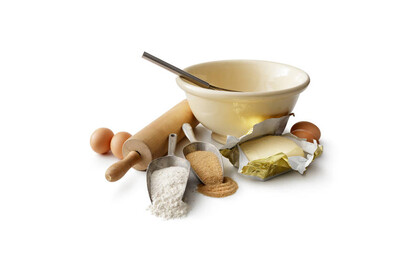 How to Choose Baking IngredientsMay 15, 2026Choosing the right baking ingredients is one of the most critical decisions for any bakery, food manufacturer, or industrial production line. Whether you are developing cakes, bread, pastries, or froz...view
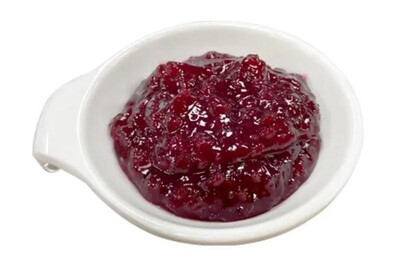 Types of Fruit Fillings for Cakes and Pastries: Bake-Stable, Whole-Fruit, Chopped and SmoothSeptember 8, 2026Fruit fillings for cakes and pastries are mainly divided into four categories: bake-stable fruit fillings, whole-fruit fillings, chopped fruit fillings, and smooth fruit fillings. Each type is designe...view
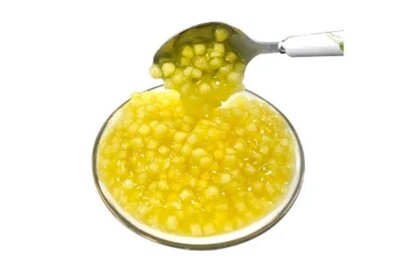 How to Choose the Right Fruit Filling for Bakery Products: A Complete Guide for Food ManufacturersAugust 18, 2026Choosing the right fruit filling for bakery products requires evaluating more than flavor. Food manufacturers should consider baking stability, viscosity, fruit content, processing compatibility, shel...view
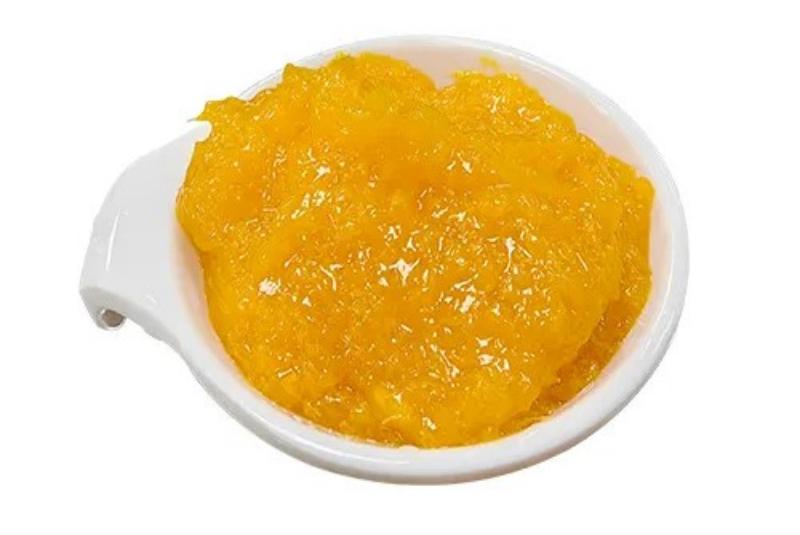 Fruit Filling vs Fruit Puree: Which Format Fits Bakery, Dairy and Beverage Production?July 31, 2026Choosing between fruit fillings and fruit puree depends on the product application, processing requirements, and the desired consumer experience. Fruit fillings are generally the better choice for bak...view