EN
EN

Sweet mayonnaise has become an increasingly popular variation of traditional mayonnaise, especially in global food service, fast food chains, salad dressings, and fusion cuisine. Unlike classic mayonnaise, sweet mayonnaise introduces a mild sweetness that enhances flavor balance in sandwiches, salads, seafood dishes, and dipping sauces.
As food innovation continues to expand, demand for high-quality mayonnaise products and specialized mayonnaise type dressing has grown rapidly among consumers and commercial buyers. Leading mayonnaise manufacturers, such as Kingwood Food, are focusing on producing stable, flavorful, and versatile sweet mayonnaise solutions for both retail and industrial applications.
For commercial buyers, choosing sweet mayonnaise involves more than taste. Sweetness, viscosity, emulsion stability, coating performance, packaging and shelf life should all match the intended production process and distribution conditions.
Sweet mayonnaise is a variation of traditional mayonnaise that incorporates sugar, sweeteners, or naturally sweet flavor components to create a smoother, slightly sweet taste profile. It retains the creamy texture of standard mayonnaise but offers a more balanced flavor suitable for modern culinary applications.
The base ingredients typically include:
Egg yolk or egg substitutes
Vegetable oil
Vinegar or lemon juice
Sugar or sweeteners
Stabilizers and emulsifiers
The result is a creamy sweet mayonnaise dressing that is less tangy than traditional mayonnaise and more suitable for consumers who prefer mild and slightly sweet condiments.
Sweet mayonnaise is widely used in both home cooking and industrial food production due to its adaptability and broad consumer appeal.
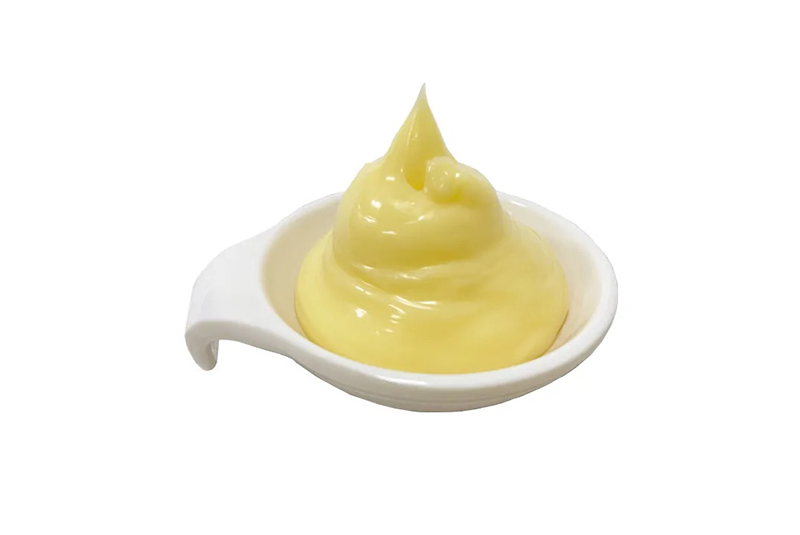
The primary function of sweet mayonnaise goes beyond taste. It plays several roles in food preparation and product development:
Sweet mayonnaise reduces acidity and sharpness in dishes, balancing salty, spicy, or umami-heavy ingredients.
Its creamy consistency improves mouthfeel in sandwiches, salads, and cold dishes.
In salads like coleslaw or potato salad, sweet mayonnaise acts as a binder, holding ingredients together smoothly.
It enhances and carries flavors of spices, herbs, and proteins, making dishes more cohesive.
In commercial food production, sweet mayonnaise is used to create differentiated mayonnaise products that appeal to regional tastes and younger consumers.
Sweet mayonnaise is extremely versatile and widely used across food industries. Below are its most common applications:
It is commonly used as a spread in sandwiches, burgers, and wraps, adding smoothness and a slightly sweet taste that complements meats and vegetables.
As a mayonnaise type dressing, sweet mayonnaise is a base for coleslaw, pasta salads, and fruit-based salads.
It pairs well with shrimp, crab, and fried fish, balancing salty and savory flavors.
Sweet mayonnaise is often blended with chili, garlic, or mustard to create dipping sauces for fries, nuggets, and appetizers.
In modern fusion food, sweet mayonnaise is used in sushi rolls, poke bowls, and Asian-inspired dishes.
Food manufacturers use sweet mayonnaise in ready-to-eat meals and packaged food products to ensure consistent flavor and texture.
Choosing high-quality sweet mayonnaise requires attention to several important factors:
Look for products made with high-quality oils, real egg content, and natural sweeteners rather than artificial additives.
Different markets prefer different sweetness levels. Some prefer subtle sweetness, while others prefer a more dessert-like profile.
A good sweet mayonnaise should remain stable under refrigeration and not separate easily.
For sandwiches: thicker texture
For salads: lighter consistency
For industrial use: high stability and scalability
Choosing trusted mayonnaise manufacturers ensures product safety and consistency. Established suppliers like Kingwood Food provide reliable production standards and customization options.
Industrial buyers should prioritize vacuum-sealed or aseptic packaging for longer shelf life and easier distribution.
Kingwood Food supplies sweet mayonnaise and salad dressing bases for meat floss cakes, savory bread, sandwiches and prepared foods. Formulations can be evaluated according to the required sweetness, viscosity, coating performance, application process and packaging format.
Bakery factories, food manufacturers and private-label buyers can request product samples and technical information before confirming a commercial order.
Regular mayonnaise is usually tangy, creamy and slightly savory rather than distinctly sweet. However, some products contain added sugar, so the sweetness varies by brand and formulation. Sweet mayonnaise is specially developed with a milder acidity and more noticeable sweetness for bakery products, salads and sweet-savory foods.
Yes. Sweet mayonnaise contains added sugar or sweeteners, giving it a milder and slightly sweet flavor compared to traditional mayonnaise.
It is generally recommended for cold or room-temperature dishes, as heat can affect its texture and stability.
It pairs well with sandwiches, seafood, fried foods, salads, and fusion dishes like sushi rolls.
Sweet mayonnaise is more than just a condiment—it is a versatile ingredient used across households, restaurants, and global food manufacturing industries. Its mild sweetness, creamy texture, and adaptability make it a key component in modern mayonnaise products and mayonnaise type dressing formulations.
With increasing demand for customized food solutions, experienced mayonnaise manufacturers such as Kingwood Food play a crucial role in delivering consistent quality and innovation in the global condiment market.
For businesses and consumers alike, understanding sweet mayonnaise helps in making better culinary and procurement decisions, ensuring both taste satisfaction and product performance.
 Easy Cream Cheese Filling Recipe for Cakes, Pies and PastriesMay 15, 2026Cream cheese filling is one of the most versatile dessert components in modern baking. Smooth, rich, slightly tangy, and incredibly creamy, it adds depth and texture to cakes, pastries, pies, cupcakes...view
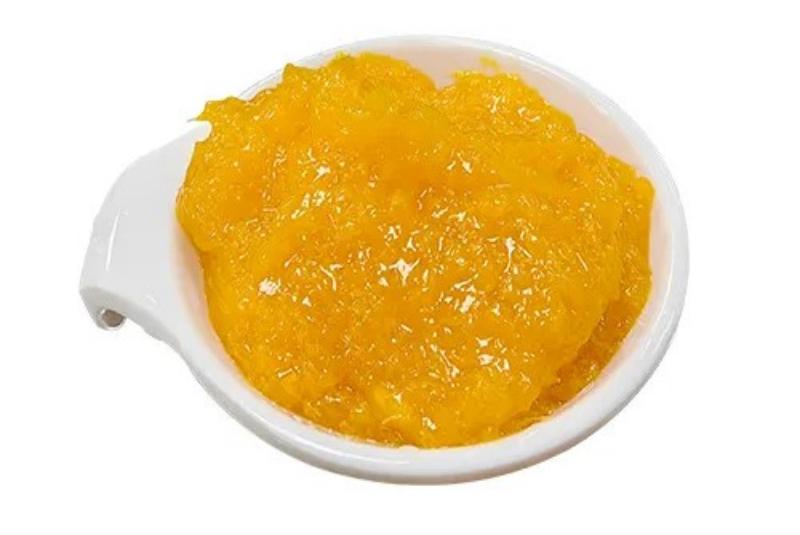 Fruit Filling vs Fruit Puree: Which Format Fits Bakery, Dairy and Beverage Production?July 31, 2026Choosing between fruit fillings and fruit puree depends on the product application, processing requirements, and the desired consumer experience. Fruit fillings are generally the better choice for bak...view
 How to Choose the Right Fruit Filling for Bakery Products: A Complete Guide for Food ManufacturersAugust 18, 2026Choosing the right fruit filling for bakery products requires evaluating more than flavor. Food manufacturers should consider baking stability, viscosity, fruit content, processing compatibility, shel...view
 How to Choose Baking IngredientsMay 15, 2026Choosing the right baking ingredients is one of the most critical decisions for any bakery, food manufacturer, or industrial production line. Whether you are developing cakes, bread, pastries, or froz...view
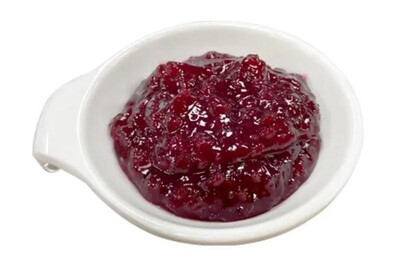 Types of Fruit Fillings for Cakes and Pastries: Bake-Stable, Whole-Fruit, Chopped and SmoothSeptember 8, 2026Fruit fillings for cakes and pastries are mainly divided into four categories: bake-stable fruit fillings, whole-fruit fillings, chopped fruit fillings, and smooth fruit fillings. Each type is designe...view
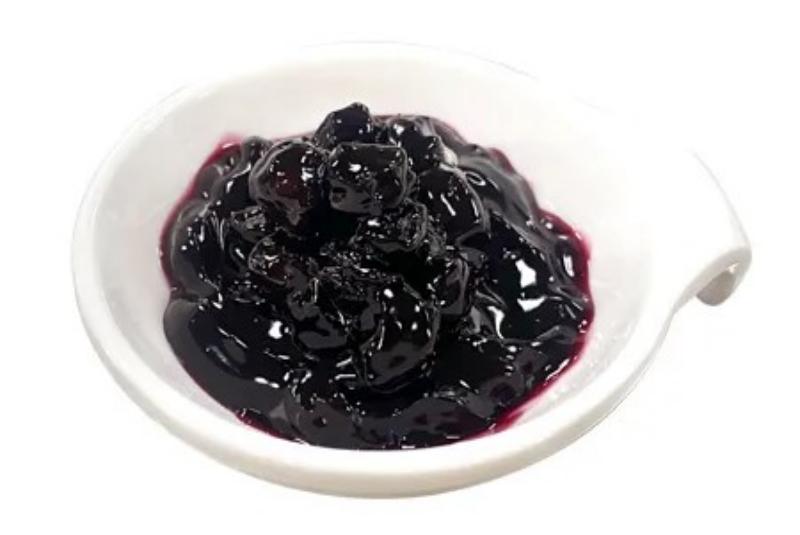 How to Evaluate Bake-Stable Fruit Filling: Temperature, Viscosity and Shape RetentionJuly 31, 2026A high-quality bake-stable fruit filling should maintain its flavor, structure, and appearance throughout the entire baking process. The most important evaluation factors are temperature stability, vi...view