EN
EN

For automated bakery production, smooth fruit filling usually provides the highest processing efficiency, while chopped and whole-fruit fillings deliver stronger visual appeal and premium texture. The best choice depends on your filling equipment, product design, production speed, and customer expectations. Manufacturers purchasing wholesale fruit filling should evaluate not only flavor but also pumping performance, depositing accuracy, baking stability, and consistency between batches.
Selecting the right texture from the beginning can reduce production downtime, improve product quality, and increase profitability.
In industrial bakeries, texture is a technical factor—not just a consumer preference.
Automated filling systems rely on precise movement, controlled flow, and consistent portioning. The structure of fruit fillings directly affects:
Filling machine performance
Deposit accuracy
Production speed
Product appearance
Waste rate
Final eating experience
A filling that performs well in manual production may create challenges in automated systems. For example, large fruit pieces may block narrow pipelines, while overly thin fillings may spread unevenly during depositing.
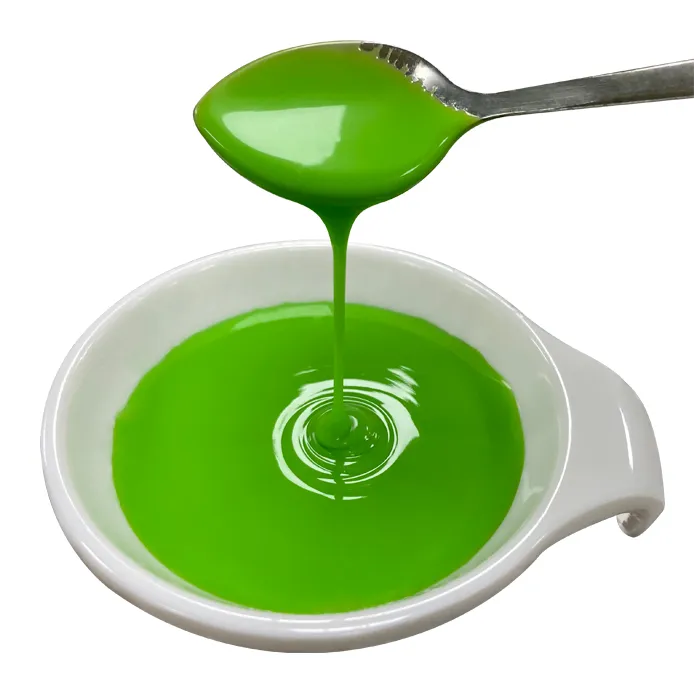
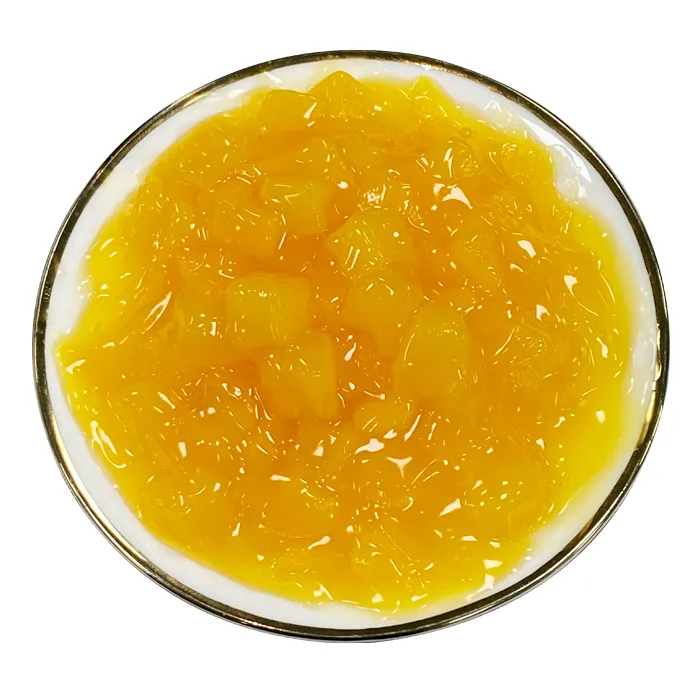
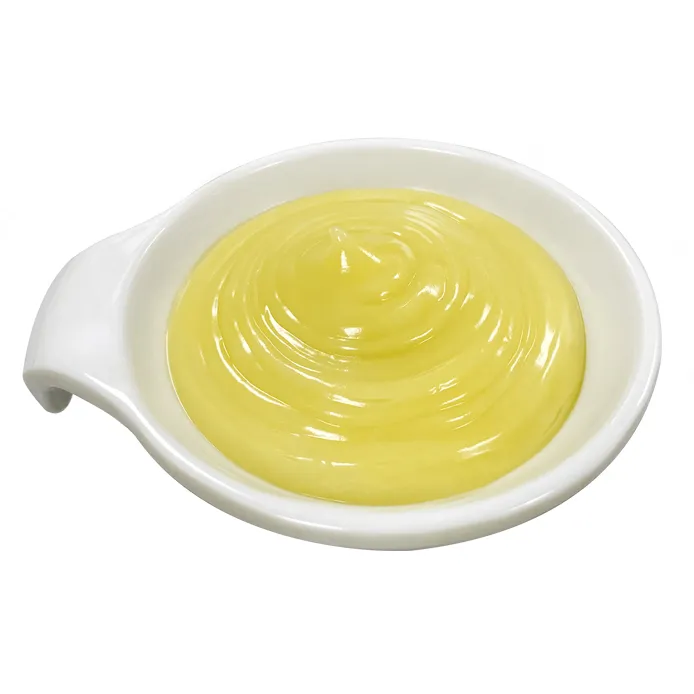
Commercial fruit fillings are generally divided into three texture categories:
| Filling Type | Texture Characteristics | Common Applications |
|---|---|---|
| Whole-fruit filling | Large visible fruit pieces or whole fruit | Premium pastries, tarts, desserts |
| Chopped fruit filling | Controlled fruit chunks with consistent size | Buns, Danish pastries, cakes |
| Smooth fruit filling | Uniform puree-like texture | Cakes, rolls, cookies, high-speed production |
Each texture offers different advantages depending on production requirements.
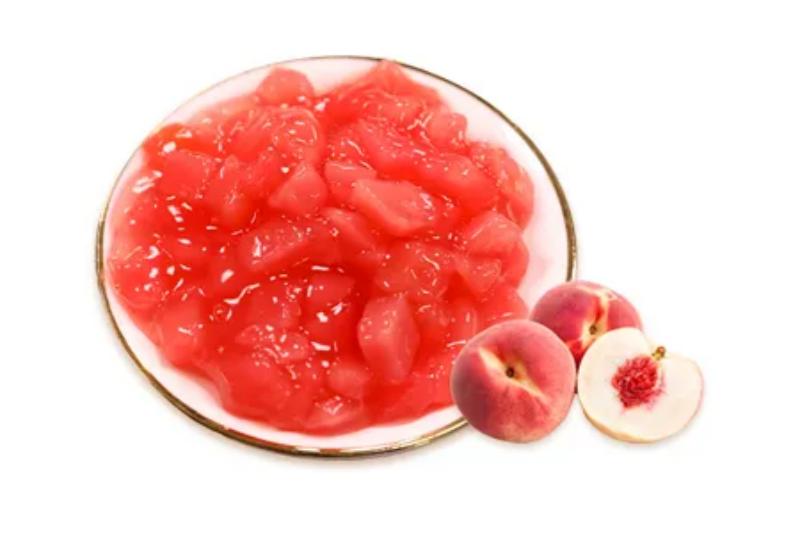
Smooth fruit filling is usually the easiest option for high-speed automated manufacturing because it provides excellent flow control and equipment compatibility.
Its uniform texture allows:
Stable pumping through pipelines
Accurate portioning
Faster filling speeds
Reduced equipment cleaning issues
Consistent product appearance
Smooth fillings are commonly used for:
Swiss rolls
Layer cakes
Sandwich cookies
Cream pastries
Industrial bakery products
For large-scale production lines, a smooth filling from an experienced fruit filling supplier can help maintain consistent performance across thousands of units.
High equipment compatibility
The absence of large particles allows better movement through pumps, nozzles, and depositing systems.
Excellent portion control
Automated equipment can measure and dispense smooth fillings with greater precision.
Lower production risk
Reduced clogging and fewer mechanical interruptions improve production efficiency.
However, smooth filling may provide less visual fruit recognition compared with chunkier textures.
Whole-fruit fillings create the strongest premium appearance because consumers can see real fruit pieces. However, they require more advanced production considerations.
Whole-fruit fillings work well for:
High-end pastries
Fruit tarts
Premium cakes
Specialty bakery products
Their main challenge in automation is handling.
Large fruit pieces can affect:
Pumping consistency
Filling nozzle performance
Portion accuracy
Machine speed
To use whole-fruit filling successfully in automated production, manufacturers should evaluate:
Fruit piece size
Filling viscosity
Equipment design
Depositing method
For premium products where appearance drives purchasing decisions, whole-fruit filling can justify additional processing considerations.
Chopped fruit filling provides a balance between automation performance and visible fruit texture.
Compared with whole-fruit filling, chopped fruit filling offers better process control because fruit pieces are standardized in size.
Benefits include:
Improved machine compatibility
More consistent fruit distribution
Better consumer perception
Easier handling during production
Chopped fillings are widely used for:
Filled bread products
Pastry pockets
Muffins
Layered cakes
Breakfast bakery items
For many manufacturers, chopped fruit filling represents the best compromise between premium texture and production efficiency.
The answer depends on the equipment type and production target.
| Production Requirement | Recommended Texture |
|---|---|
| Maximum filling speed | Smooth fruit filling |
| High-volume automated production | Smooth or fine chopped filling |
| Premium appearance | Whole-fruit filling |
| Balanced automation and texture | Chopped fruit filling |
| Products requiring visible fruit | Whole-fruit or chopped filling |
| Small nozzle filling systems | Smooth filling |
A professional fruit filling supplier should evaluate the complete production system before recommending a product.
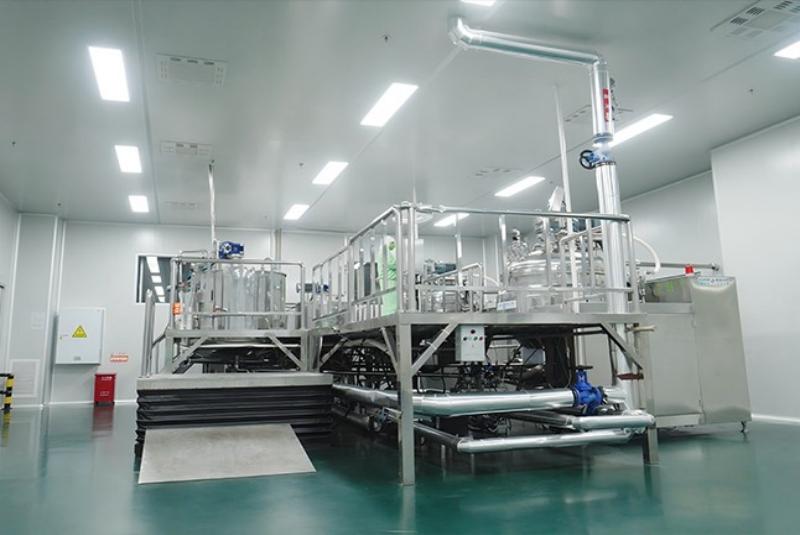
Fruit particle size directly influences machine performance.
Large fruit pieces may create challenges such as:
Uneven filling distribution
Nozzle blockage
Reduced filling speed
Higher maintenance requirements
Smaller chopped fruit pieces usually provide better consistency while maintaining fruit identity.
For automated production, suppliers often optimize:
Fruit cutting size
Filling viscosity
Gel structure
Flow behavior
These factors work together to determine whether the filling runs smoothly on production equipment.
Choosing a commercial filling requires a complete evaluation beyond texture.
✓ Production method
Is the filling manually applied or machine deposited?
✓ Equipment compatibility
Can the filling pass through pumps and nozzles smoothly?
✓ Fruit particle size
Are the fruit pieces suitable for your equipment?
✓ Viscosity control
Does the filling maintain consistent flow during production?
✓ Heat stability
Does it remain stable after baking?
✓ Storage performance
Does it maintain quality during transportation and storage?
✓ Product positioning
Is the product premium, mass-market, or cost-focused?
✓ Supplier capability
Can the supplier provide technical support and customized solutions?
An experienced supplier provides more than finished ingredients. Technical support can help manufacturers optimize filling performance.
A professional supplier can assist with:
Selecting suitable textures
Adjusting viscosity
Testing filling performance
Improving production efficiency
Developing customized formulations
For bakeries expanding production capacity, supplier expertise can prevent costly trial-and-error during product development.
For high-speed automated lines, smooth fruit filling is usually the most efficient choice because of its excellent flow and processing consistency.
However, the highest-performing solution is not always the simplest texture.
Choose smooth filling when production speed and consistency are the priority.
Choose chopped filling when you need a balance between automation and fruit texture.
Choose whole-fruit filling when premium appearance and consumer experience are the main goals.
Many successful bakery manufacturers use different filling textures across product categories rather than relying on one universal solution.
Yes. Whole-fruit filling can be automated if fruit size, viscosity, and equipment design are properly matched.
Smooth filling often reduces processing challenges and may improve production efficiency, but total cost depends on formulation and application requirements.
Fillings with strong stability, controlled viscosity, and suitable freeze-thaw performance are generally preferred for frozen bakery applications.
Conduct machine trials, baking tests, and storage evaluations using the same production conditions as your final product.
Yes. Professional suppliers can adjust fruit particle size, viscosity, sweetness, and formulation based on specific manufacturing requirements.
The ideal fruit filling solution depends on the balance between product appearance and manufacturing efficiency. Whole-fruit, chopped, and smooth fillings each have a role in modern bakery production.
For companies sourcing wholesale fruit filling, working with an experienced manufacturer helps ensure the filling performs consistently from production line testing to final consumer use.
A reliable fruit filling supplier understands that successful bakery production requires more than great flavor—it requires stability, efficiency, and technical performance.
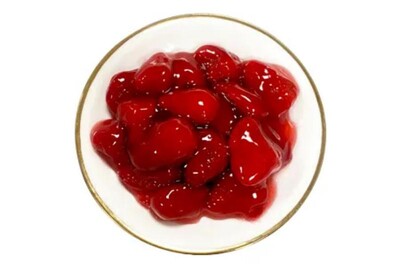 How to Choose a Fruit Filling Supplier: 12 Questions for Bakery Manufacturers and DistributorsSeptember 8, 2026Choosing the right fruit filling supplier requires more than comparing prices. Bakery manufacturers and distributors should evaluate product stability, fruit quality, production capability, customizat...view
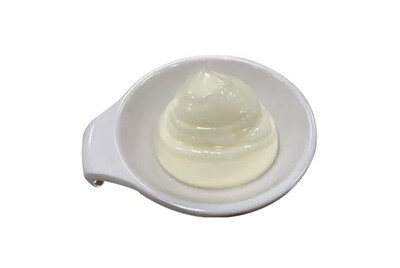 The Salad Dressing Guide for Types, Uses, Ingredients and SelectionMay 15, 2026Salad dressing is more than just a condiment—it is the defining element that transforms a simple bowl of greens into a flavorful, marketable, and memorable dish. In today’s global food industry, the...view
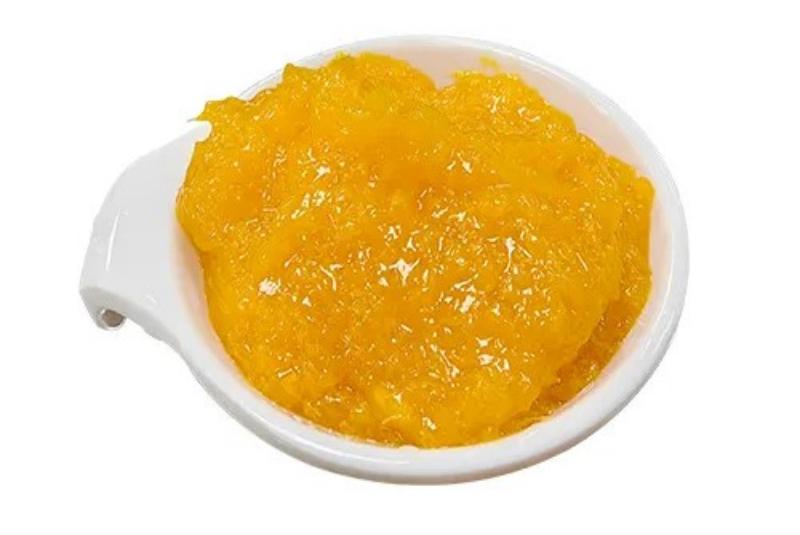 Fruit Filling vs Fruit Puree: Which Format Fits Bakery, Dairy and Beverage Production?July 31, 2026Choosing between fruit fillings and fruit puree depends on the product application, processing requirements, and the desired consumer experience. Fruit fillings are generally the better choice for bak...view
 How to Choose Baking IngredientsMay 15, 2026Choosing the right baking ingredients is one of the most critical decisions for any bakery, food manufacturer, or industrial production line. Whether you are developing cakes, bread, pastries, or froz...view
 How to Evaluate Bake-Stable Fruit Filling: Temperature, Viscosity and Shape RetentionJuly 31, 2026A high-quality bake-stable fruit filling should maintain its flavor, structure, and appearance throughout the entire baking process. The most important evaluation factors are temperature stability, vi...view
 Types of Fruit Fillings for Cakes and Pastries: Bake-Stable, Whole-Fruit, Chopped and SmoothSeptember 8, 2026Fruit fillings for cakes and pastries are mainly divided into four categories: bake-stable fruit fillings, whole-fruit fillings, chopped fruit fillings, and smooth fruit fillings. Each type is designe...view